
Ecommerce Digital Marketing: Strategies to Boost Sales
Ecommerce digital marketing is the use of online channels (search, paid ads, email, SMS, social media, content and conversion optimization) to attract shoppers to an online store, turn them into buyers and bring them back to buy again. With customer acquisition costs (CAC) rising and shopper expectations changing fast, a basic online store no longer builds a profitable business. The brands that scale run one connected system, not a pile of disconnected tactics.
This guide shows how to build that system. It covers ecommerce marketing across SEO, paid media, lifecycle messaging, content and conversion rate optimization (CRO), with benchmarks and frameworks you can apply whether you are launching a direct-to-consumer (DTC) storefront or scaling an established brand. If you want a broader primer first, start with our explainer on what is digital marketing.
Quick answer: A winning ecommerce digital marketing strategy combines SEO for durable traffic, paid media for fast scale, email and SMS for repeat revenue, content and influencers for trust, and CRO to make every visit count.
The Ecommerce Digital Marketing Funnel at a Glance
|
Funnel stage |
Goal |
Core channels |
Metric to watch |
|
Awareness |
Reach new high-intent shoppers |
SEO, social, influencers, paid social |
Impressions, organic sessions |
|
Consideration |
Earn trust and product comparison |
Content, UGC, reviews, retargeting |
Engaged sessions, add-to-cart rate |
|
Conversion |
Turn browsers into buyers |
CRO, Shopping ads, checkout UX |
Conversion rate, cart abandonment |
|
Retention |
Bring buyers back |
Email, SMS, loyalty programs |
Repeat purchase rate, LTV |
What Is Ecommerce Digital Marketing? Trends Shaping Online Retail in 2026
Ecommerce digital marketing is the set of online strategies that drive traffic, sales and repeat purchases for a store that sells products on the internet. It differs from general digital marketing because every tactic is tied to a product catalog, a shopping cart and a measurable revenue outcome. Where a service business chases leads, an online store chases orders, average order value (AOV) and customer lifetime value (LTV).
What Is Ecommerce Marketing, and How Is It Different from Traditional Digital Marketing?
So, what is ecommerce marketing in practice? It is the promotion of an online store and its products across search, social, email, paid and content channels, with the goal of moving a shopper from first click to loyal customer. People sometimes call it e marketing or e marketing commerce, and the terms ecommerce and e-marketing describe the same overlap between online selling and online promotion.
The ecommerce marketing differences from digital marketing strategies used by other industries come down to four points:
- Product-led: campaigns run from product feeds, category pages and SKUs, not just landing pages.
- Transaction-focused: success is measured by revenue, ROAS and margin, not form fills.
- Behavior-triggered: abandoned carts, browsing history and purchase recency fire automated messages.
- Retention-heavy: profit often arrives on the second and third order, so lifecycle marketing carries real weight.
That shift explains why modern ecommerce marketing has moved from one-off transactional ad buying to lifecycle-driven customer retention. For a wider view of how the disciplines overlap, see our guide to SEO and digital marketing.

5 Shifts Reshaping Digital Marketing for Ecommerce in 2026
- Social commerce expansion. Shoppers discover and buy inside TikTok Shop, Instagram and similar platforms without ever visiting your site.
- Hyper-personalized journeys. Product recommendations, email content and on-site offers adapt to each shopper's behavior in real time.
- AI-driven automation. Bidding, creative testing, segmentation and product descriptions increasingly run on machine learning. Our breakdown of AI in ecommerce shows where it pays off.
- Stricter privacy rules. Cookie deprecation and consent requirements push brands toward first-party data such as email, SMS and loyalty programs.
- AI-powered search. Answer engines now summarize products and brands, so structured content matters more. See answer engine optimization for how to prepare.
For more on where the industry is heading, read our roundup of digital marketing trends.
Why You Need a Multi-Channel Funnel for Online Store Marketing
A multi-channel funnel is necessary because shoppers rarely buy on the first visit or on a single device. A typical buyer might see a social video on a phone, search the brand on a laptop, read reviews, abandon a cart, then complete the purchase after an email reminder. Brands that cover only one of those touchpoints lose the sale to a competitor that covers all of them.
The fix is an omnichannel approach where each channel hands the shopper to the next with consistent messaging and shared data. Our guide to omnichannel marketing explains how to connect those touchpoints.
Ecommerce Market Benchmarks to Plan Around
|
Benchmark |
Figure |
Why it matters |
|
Global retail ecommerce sales |
Over $6.8 trillion |
Demand is large, and so is competition |
|
Mobile share of store visits |
About 77% |
Design and ads must be mobile-first |
|
Mobile share of online transactions |
Over 60% |
Mobile checkout is where revenue is won or lost |
Building a High-Converting Ecommerce SEO Strategy
An ecommerce SEO strategy earns free, high-intent traffic by matching category and product pages to the exact searches shoppers make before they buy. It rests on three pillars: a keyword architecture that maps intent to pages, product pages written to rank and convert, and a technical foundation that lets search engines crawl and index your catalog efficiently. Done well, SEO becomes the lowest-cost channel in your ecommerce digital marketing strategy, because traffic compounds instead of stopping when ad spend stops.
Why SEO Anchors Digital Marketing for Ecommerce Sites
Search is where shopping intent shows up first. Industry data shows that organic search drives 53%+ of total website traffic and over 23% of online purchases. Rankings also pay off unevenly: the top Google organic result captures roughly 27.6% of clicks, while second-page visibility falls below 1%. Ranking on page one is the goal, not a nice bonus.
If you want a dedicated team on this channel, our ecommerce SEO services cover audits, optimization and ongoing growth. For a deeper tactical read, see SEO for ecommerce websites.
Step 1: Build a Keyword Architecture Around Buyer Intent
Start by mapping high-intent transactional keywords to category and product pages, and informational queries to blog and guide content. Each page should target one primary theme, so pages never compete with each other.
|
Intent |
Example query |
Best page type |
Goal |
|
Transactional |
"buy leather cross-body bag" |
Product or category page |
Direct sale |
|
Commercial |
"best leather cross-body bags for travel" |
Buying guide or comparison |
Build preference |
|
Informational |
"how to clean a leather bag" |
Blog post |
Capture early demand |
|
Navigational |
"[brand name] returns policy" |
Brand or help page |
Reduce friction |
A simple workflow works for most stores:
- Export your categories and top products.
- Collect keyword ideas from search suggestions, competitor pages and your on-site search data.
- Group keywords by intent and assign each group to one URL.
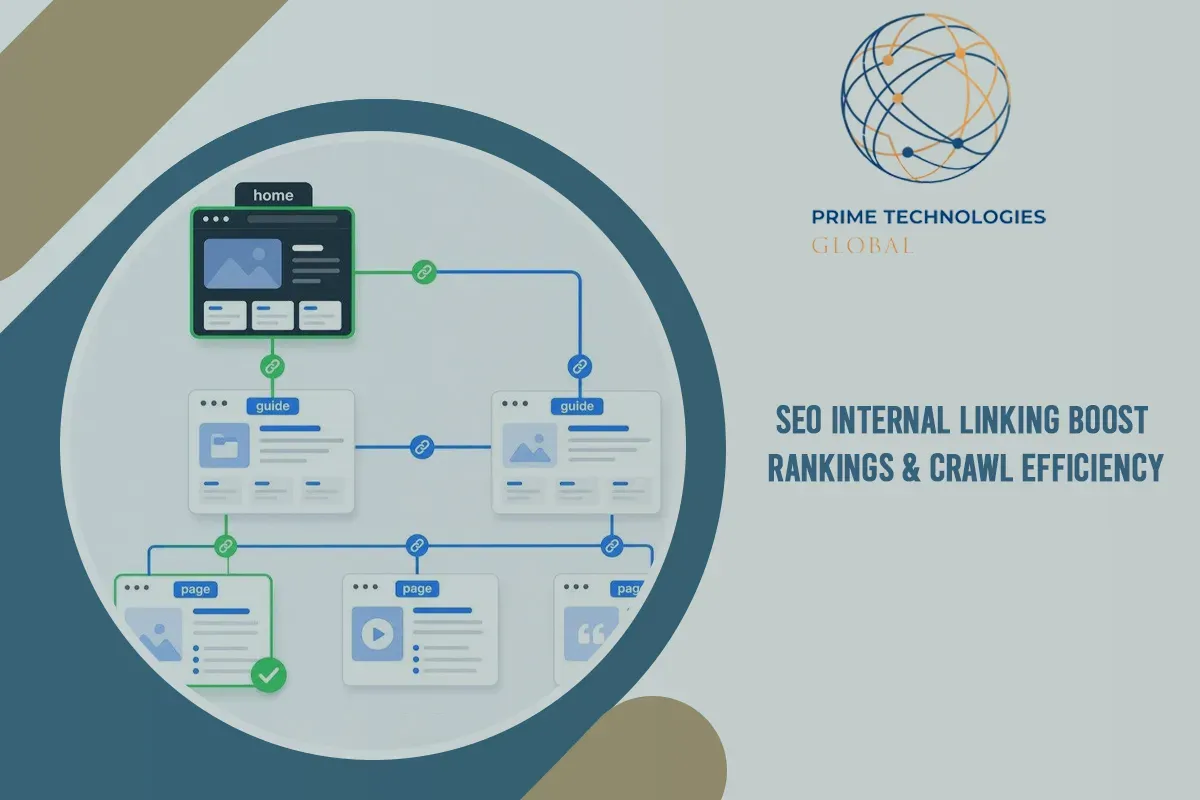
- Link informational posts to the matching category pages using descriptive anchor text. Our guide to SEO internal linking shows how.
Broader topical coverage also helps. Semantic SEO explains how related terms and entities strengthen a page's relevance.

Step 2: Optimize Product Pages for Search and Sales
Product page optimization means giving each page unique, useful content that answers a shopper's questions and signals relevance to search engines. Copying manufacturer descriptions across hundreds of SKUs creates duplicate content and wastes ranking potential.
Use this checklist on every product and category page:
- Unique descriptions: lead with benefits, then specs, materials, sizing and care.
- Title tags and meta descriptions: include the product name and a core modifier, and keep each readable. See our guide to meta tags.
- Image alt text: describe the product and its angle, such as "tan leather cross-body bag, front view."
- Clean URLs: short, descriptive and free of session parameters.
- Reviews and FAQs: user-generated content adds fresh, relevant text and builds trust.
- Internal links: connect related products, categories and guides.
To cover the fundamentals across your whole site, our on-page SEO services handle titles, content and structure at scale.
Add Schema Markup for Rich Results
Schema markup is structured data that tells search engines exactly what a page contains, which can unlock rich results such as price, availability and star ratings.
|
Schema type |
What it describes |
Typical benefit |
|
Product |
Name, image, description, SKU, brand |
Eligibility for product-rich results |
|
Offer |
Price, currency, availability |
Price and stock shown in results |
|
AggregateRating |
Average rating and review count |
Star ratings in the snippet |
Validate markup with Google's Rich Results Test, and make sure the data in your schema matches what shoppers see on the page.
Step 3: Fix Technical SEO for Online Store Marketing
Technical SEO decides whether your best pages can be found at all. Large catalogs create three recurring problems. Our overview of what is technical SEO covers the basics, and our technical SEO services cover the heavy lifting.
- Crawl budget waste. Search engines may spend their crawl allowance on thin or duplicate URLs instead of your money pages. Keep XML sitemaps clean, remove dead links and block low-value paths.
- Faceted navigation duplicates. Filters for size, color and price can generate thousands of near-identical URLs. Use canonical tags, apply no-index to low-value filter combinations and keep only the combinations people actually search for indexable.
- Slow mobile pages. Heavy images and scripts hurt rankings and conversions. Compress images, use modern formats, lazy-load below-the-fold media and monitor Core Web Vitals. The link between speed and rankings is covered in how important is page speed for SEO.
If you sell on Shopify, platform-specific fixes apply. Our guide to Shopify SEO services walks through them.
Paid Media and Social Advertising: Ecommerce PPC Campaigns for Immediate Scale
Paid media gives an online store immediate reach by placing products in front of shoppers on Google, Meta and TikTok the day a campaign launches. Unlike SEO, which compounds over months, ecommerce PPC campaigns let you test offers, find winning products and scale revenue quickly. The catch is cost: without tight feed management, budget rules and retargeting, ad spend can outrun profit.
For hands-on support, see our guides to Google Ads management services and PPC advertising services, or learn what to expect from a paid media agency.
Google Shopping and Performance Max (PMax) for Ecommerce
Google Shopping ads show your product image, price and store name directly in search results, which attracts shoppers who are ready to compare and buy. Performance Max extends that reach across Search, Shopping, YouTube, Display and Gmail from a single campaign, using machine learning to find converting audiences.
Three practices decide whether these campaigns profit:
- Structure and clean the product feed. Write titles that lead with the product type and key attributes, use accurate GTINs, keep price and stock in sync, and add high-quality images. Feed quality drives which searches you appear for.
- Segment campaigns by margin and performance. Group best sellers, high-margin items and clearance products separately so budget follows profit, not volume.
- Use negative keyword lists and automated bidding with care. Exclude irrelevant queries such as "free," "used" or "repair" where they do not fit, and feed the bidding algorithm accurate conversion value so it optimizes for revenue, not just clicks.
Social Commerce and Paid Social: TikTok Shop, Instagram and Meta Advantage+
Social commerce lets shoppers discover and buy without leaving the app, which shortens the path from interest to order. Use each platform for what it does best:
- Meta Advantage+ shopping campaigns: automate audience and creative testing at scale using your catalog.
- Instagram Shopping: tag products in posts, Stories and Reels so inspiration leads directly to a product page.
- TikTok Shop: pair short, authentic video with in-app checkout and creator partnerships.
Creative decides results on these platforms. Refresh videos and images often, lead with the product in the first seconds and test several hooks. Our social media marketing services team builds this kind of always-on creative testing, and our guide to social media ROI shows how to measure it.
Dynamic Retargeting: Win Back High-Intent Shoppers
Dynamic retargeting serves ads that show the exact products a shopper viewed or left in their cart. These shoppers already know your brand, so they convert at a higher rate than cold audiences. Retargeting ads can lift average conversion rates by up to 70%, according to commonly cited industry data.
Build retargeting in layers:
|
Audience |
Window |
Message |
|
Cart abandoners |
1 to 7 days |
The exact items, plus a reason to finish (free shipping, low stock) |
|
Product viewers |
7 to 30 days |
Viewed items plus related best sellers and reviews |
|
Past purchasers |
30 to 180 days |
Complementary products, refills or new arrivals |
|
Engaged non-buyers |
30 to 60 days |
Social proof, bundles or a first-order incentive |
Exclude recent purchasers from prospecting and cart-abandonment ads so you never pay to advertise to someone who already bought. Read more about targeted advertising for audience-building ideas.
Budget Allocation Benchmarks for Ecommerce Marketing
Top brands commonly allocate 40% to 45% of paid budgets to Google Search and PMax and 25% to 30% to Meta and other social platforms, with the remainder split across retargeting, emerging channels and testing.
|
Channel group |
Typical share of paid budget |
Primary job |
|
Google Search, Shopping and PMax |
40% to 45% |
Capture existing demand |
|
Meta and social platforms |
25% to 30% |
Create demand and retarget |
|
Remaining channels (testing, affiliates, others) |
25% to 35% |
Experiment and diversify |
Treat these as starting points. Shift budget toward whichever channel delivers the best blended return after accounting for margin, and review the split every month.

Maximizing Customer Lifetime Value with Ecommerce Email and SMS Marketing
Email and SMS marketing raise customer lifetime value by turning one-time buyers into repeat customers through automated, behavior-based messages. These are owned channels, so you reach shoppers without paying for every click or depending on an ad platform's algorithm. As cookie deprecation and privacy rules limit ad tracking, first-party contact data has become one of the most valuable assets in digital marketing for ecommerce.
The numbers explain the priority. Email marketing returns an average of $36 to $42 for every $1 spent, making it one of the highest-ROI channels available. Retention matters just as much: first-time buyers have a 27% chance of buying again, which rises to 49% after the second purchase. Getting shoppers to a second order is the single most valuable milestone in the customer journey.
Our email marketing services and guide to SMS marketing cover execution in detail.
The High-Impact Lifecycle Automations Every Store Needs
Lifecycle automations are triggered messages that respond to what a shopper does. Set up these flows first, in this order:
|
Automation |
Trigger |
Timing |
Core content |
|
Welcome series |
Email or SMS sign-up |
Immediately, then over 5 to 7 days |
Brand story, best sellers, first-purchase incentive |
|
Browse abandonment |
Product viewed, no cart |
1 to 4 hours after the visit |
Viewed items, reviews, related products |
|
Cart abandonment |
Items added, no purchase |
1 to 4 hours, then follow-ups over 1 to 3 days |
Cart contents, shipping and returns info, urgency |
|
Post-purchase |
Order placed |
Day 0, then delivery and day 7 to 14 |
Order confirmation, usage tips, review request, cross-sell |
|
Win-back |
No purchase in a set period |
60 to 120 days |
New arrivals, loyalty reminder, targeted offer |
|
VIP nurture |
High spend or frequent buyer |
Ongoing |
Early access, loyalty perks, exclusive offers |

Welcome Series: Introduce the Brand and Earn the First Order
The welcome series sets the tone for the whole relationship. Open with your brand story and what makes your products different, then show best sellers and offer a first-purchase incentive such as free shipping or a small discount. Subscribers are most engaged right after they join, so send the first message immediately.
Cart and Browse Abandonment: Recover Lost Sales Within 1 to 4 Hours
These flows recover shoppers who showed clear intent. Trigger the first email or SMS within 1 to 4 hours, show the exact items left behind and answer common objections such as shipping cost, returns and sizing. A good sequence runs in three steps:
- Reminder: a simple nudge with product images and a clear checkout button.
- Reassurance: reviews, guarantees and delivery information.
- Final push: low-stock notice or a limited incentive, used sparingly so you protect margin.
Post-Purchase and VIP Nurture: Drive the Second Order
After the sale, send helpful content that increases satisfaction: setup guides, care tips and delivery updates. Then ask for a product review, suggest complementary products and invite loyal buyers into a VIP tier with perks such as early access or free shipping. These messages push shoppers toward the second purchase, where retention odds improve sharply.
Segmentation Strategies That Make Messages Relevant
Segmentation sends the right message to the right shopper, which lifts engagement and protects deliverability. Start with RFM analysis, which scores customers on recency, frequency and monetary value, then add category preference and engagement level. For more ideas, read our guide to email segmentation.
|
Segment |
How to identify |
Best message |
|
Champions |
Recent, frequent, high spend |
Early access, referrals, loyalty rewards |
|
Loyal customers |
Frequent buyers, moderate spend |
Cross-sell, bundles, review requests |
|
At-risk |
Previously active, no recent order |
Win-back offer, "we miss you" content |
|
New customers |
One recent order |
Onboarding, second-purchase incentive |
|
Category fans |
Repeated views or buys in one category |
New arrivals and guides in that category |
|
Unengaged |
No opens or clicks in 90+ days |
Re-permission, then suppress if no response |
Two rules keep this channel healthy. First, collect explicit consent before sending SMS and follow the messaging laws that apply in each market you sell to. Second, respect frequency: more messages do not equal more revenue if unsubscribes climb. Tie everything together with a clear marketing automation strategy.
Content Marketing and Influencer Collaborations That Drive Ecommerce Sales
Content marketing drives ecommerce sales by answering shopper questions before they buy and by building the trust that makes a first purchase feel safe. Buying guides, comparisons and tutorials capture search demand, while customer photos, videos and creator recommendations supply the social proof that product pages alone cannot. Together they strengthen ecommerce brand marketing at every stage of the funnel.
The trust data is strong. About 77% of online shoppers are more likely to buy after seeing user-generated content (UGC), and over 69% trust influencer recommendations more than direct brand advertising. Our content marketing services and these content marketing tips show how to put that into practice.
Educational and Buying Guide Content That Answers Search Queries
Educational content wins shoppers who are still deciding. Build it around the questions people type into search, and link each piece to the relevant category or product page.
|
Content type |
Example |
Shopper intent served |
|
Comparison article |
"Leather vs canvas cross-body bags" |
Weighing options |
|
Gift guide |
"Gifts for frequent travelers under $100" |
Seasonal, inspiration-led buying |
|
How-to tutorial |
"How to care for a leather bag" |
Post-purchase value and repeat visits |
|
Buying guide |
"How to choose the right bag size" |
Reducing uncertainty before purchase |
|
Product roundup |
"Best weekend bags for short trips" |
Commercial, ready to compare |
Follow a repeatable process:
- Mine customer service questions, reviews and on-site search for real topics.
- Run a content gap analysis to find subjects competitors rank for and you do not.
- Publish with clear headings, scannable lists and product links placed where the reader is ready to act.
- Refresh high-traffic posts every few months with new products, prices and images.
Formats matter too. Short-form content and interactive content, such as product finders and quizzes, can lift engagement beyond what a standard article delivers.
User-Generated Content (UGC): Social Proof on High-Friction Product Pages
UGC is content created by your customers, including photo and video reviews, unboxing clips and social posts. Place it where shoppers hesitate most: expensive items, products with fit or size questions, and anything new to your catalog.
Use these tactics to collect and apply it:
- Ask at the right moment. Request reviews 7 to 14 days after delivery, once the customer has used the product.
- Make it easy. Allow photo and video uploads and mobile-friendly review forms.
- Incentivize carefully. Offer loyalty points or entry into a draw for honest reviews, and never pay for positive-only feedback.
- Feature it everywhere. Show customer photos on product pages, in email and in paid social ads, with permission.
- Respond to reviews. Replies, including negative feedback, show future buyers that real people stand behind the store.
Reviews also feed search. Pair them with schema markup so star ratings can appear in results.
Micro-Influencer Partnerships: Targeted Discovery and Brand Trust
Micro-influencers are niche creators with smaller but highly engaged audiences, often in the range of 10,000 to 100,000 followers. Their communities tend to trust them as peers, which makes recommendations feel authentic and conversion-friendly. They are also usually more affordable than celebrity partners, so you can run several collaborations at once.
A simple partnership framework looks like this:
- Define the goal. Choose one primary outcome: awareness, content creation or direct sales.
- Vet for fit. Check audience match, engagement quality, past brand work and content style, not just follower count.
- Brief clearly. Share key messages, required disclosures and creative freedom limits.
- Track results. Give each creator a unique discount code or tracked link, and measure orders, AOV and new-customer rate.
- Reuse winners. With permission, repurpose top creator content in ads, email and product pages. This also boosts the video content in social media marketing you already run.
Always require clear sponsorship disclosure, in line with advertising rules where you operate.
Conclusion
Scaling an online store takes more than driving random traffic. It takes an integrated ecommerce digital marketing ecosystem that guides shoppers through every phase of the buying journey. When high-intent SEO, targeted paid campaigns, lifecycle email and SMS, trust-building content and continuous CRO work together, brands can grow revenue sustainably even as acquisition costs rise.
Use this checklist to turn the strategy into action:
- SEO: map keywords to pages, optimize product content and schema, and fix crawl and speed issues.
- Paid media: clean your product feed, set budgets by margin and retarget high-intent shoppers.
- Email and SMS: launch welcome, abandonment and post-purchase flows, then segment by RFM.
- Content and creators: publish buying guides and collect UGC and micro-influencer content.
- CRO: simplify checkout, speed up mobile pages and test one change at a time.
Partner with Prime Technologies Global to Grow Your Ecommerce Revenue
Ready to turn your digital strategy into a revenue-generating machine? At Prime Technologies Global, we deliver end-to-end digital marketing services built for modern ecommerce brands. Our team covers technical SEO audits, high-ROI ad campaign management, custom web development and funnel optimization, all backed by data.
Claim your custom strategy consultation and unlock your store's full revenue potential. You can also browse all of our services or start with our ecommerce SEO services.
Frequently Asked Questions
Is Ecommerce Still Worth It in 2026?
Yes, ecommerce is still worth it in 2026 for brands that compete on differentiation, margin and retention rather than on price alone. Global retail ecommerce sales are above $6.8 trillion, and mobile shopping keeps growing, so demand is not the problem. The challenge is rising acquisition costs, which means profit now depends on a strong ecommerce digital marketing strategy: organic traffic to lower CAC, email and SMS to raise LTV, and CRO to convert more of the traffic you already earn. Stores that rely on a single ad channel face the most risk.
What Is the 80/20 Rule in Ecommerce?
The 80/20 rule in ecommerce, also called the Pareto principle, says roughly 80% of your revenue comes from about 20% of your customers, products or channels. The exact split varies by store, but the pattern is common. Use it to focus effort:
- Products: put your best margin-driving products at the center of ads, SEO and email.
- Customers: build VIP and loyalty programs for the small group that generates most of your revenue.
- Channels: identify the two or three channels that deliver most orders and invest there first.
- Pages: fix the highest-traffic product and checkout pages before polishing the rest.
How Do I Start Digital Marketing?
To start digital marketing, set a clear goal, define your target customer, fix your website basics, then launch one or two channels and measure results. Beginners fail most often by spreading thin across every platform at once. Follow these steps:
Can I Learn Digital Marketing in 3 Months?
Yes, you can learn the fundamentals of digital marketing in three months with focused, hands-on practice, but mastery takes longer. In 12 weeks you can understand the core channels, run small campaigns and read basic reports. Deeper skills such as advanced bidding, technical SEO and testing programs come with experience.