
What is Data Analytics, and Why Does it Matter Today?
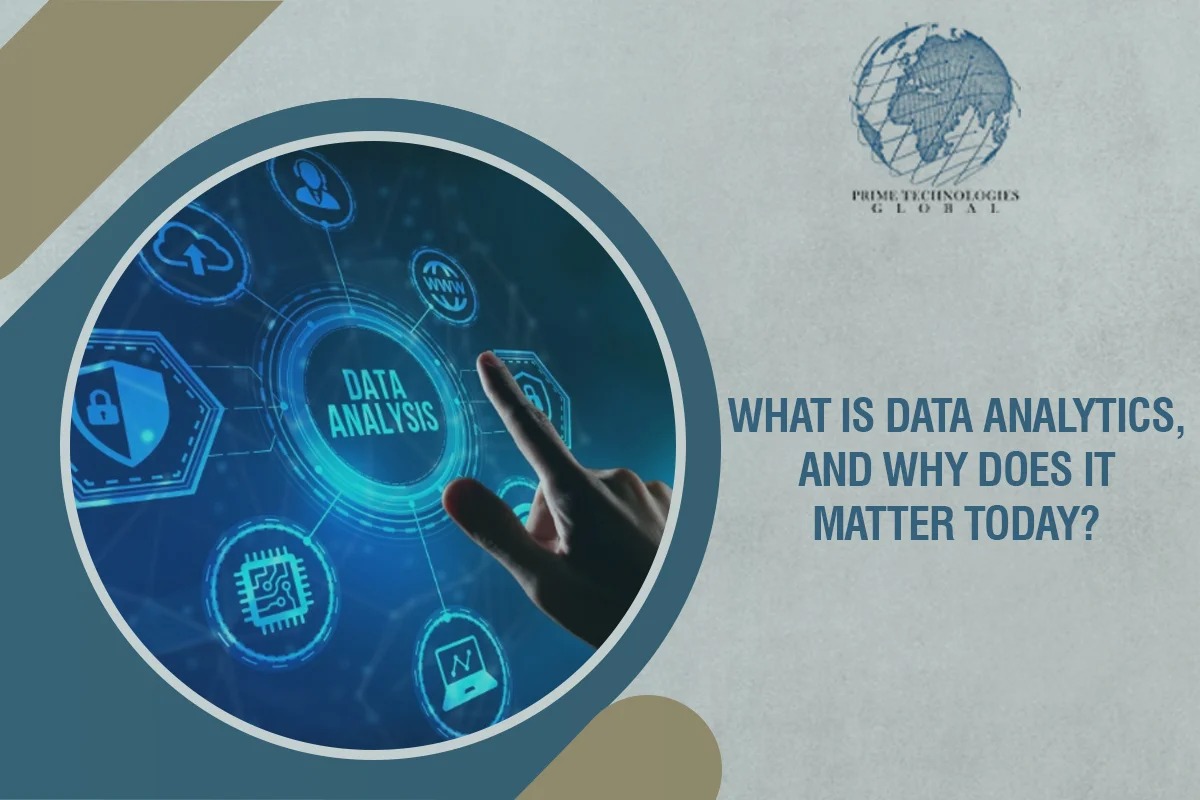
Learn what data analytics is in simple words with examples. See how data analytics works and why it is relevant for business use today.
In today’s digital world, data is created every second. Every online search, mobile app, purchase, or click generates information. But raw data alone has no value until it is understood.
This is why learning what data analytics has become is important for individuals and businesses alike. Data analytics helps turn raw data into meaningful insights that support more intelligent decisions.
Instead of guessing, data analytics allows people to rely on facts. It helps answer important questions and reduces uncertainty in decision-making.
If you are curious about how data analytics supports real-world decisions, this guide will help you understand the basics clearly and practically.
What Is Data Analytics in Simple Words
Many people ask what is data analytics in simple words. The concept is easier than it sounds.
Data analytics means collecting data, organizing it, and studying it to find helpful information. The goal is to understand patterns, trends, and relationships hidden inside data.
For example, when a website tracks which pages visitors spend the most time on, analytics helps explain user behavior. This information can then be used to improve the website experience.
In short, data analytics helps turn numbers into knowledge.
Basic Data Analytics Concepts Explained Clearly
Before going deeper, it is helpful to understand a few basic ideas. These concepts appear in almost every analytics project.
- Data is collected from trusted sources
- Data is cleaned to remove errors and confusion
- Patterns are analyzed to gain insight
- Results are shared in a clear and straightforward way
These steps work together to ensure accuracy and clarity.
What Is Data Analytics and How It Works
To fully understand what is data analytics and how it works, it helps to look at the overall process.
Everything starts with a clear question or problem. Once the goal is defined, relevant data is gathered from reliable sources. This data is then cleaned, analyzed, and reviewed to uncover meaningful insights.
The final results help guide actions such as improving services, saving costs, or planning future strategies. This structured approach makes analytics reliable and repeatable, especially when supported by strong technical systems like professional IT support services that ensure data accuracy, security, and performance.

How Data Analytics Works Step by Step
Many beginners want to know how data analytics works step by step. While tools may change, the process remains consistent.
- Identify the problem or goal
- Collect relevant data
- Prepare and clean the data
- Analyze and interpret results
This method is often called the data analytics workflow. It ensures decisions are based on accurate information.
Data Analytics Process Explained for Beginners
The data analytics process, explained in simple terms, shows why each step matters.
If the data is incomplete or incorrect, the final insights will also be weak. That is why data preparation plays a critical role.
Once the data is analyzed, insights are reviewed carefully before taking action. This prevents errors and improves outcomes.
What Is Data Analytics With an Example From Daily Life
Understanding what is data analytics with example makes learning easier.
Imagine a mobile fitness app. It tracks daily steps, sleep patterns, and heart rate. By analyzing this data, the app provides personalized health tips.
Another example is online shopping. Stores analyze browsing and purchase history to suggest products users may like.
These real-life examples of data analytics show how insights improve everyday experiences.
Real Life Examples of Data Analytics in Different Fields
- Data analytics is used across many industries today.
- Healthcare uses analytics to improve patient care
- Retail uses analytics to understand customer behavior
- Banking uses analytics to detect unusual activity
- Education uses analytics to track student progress
These data analytics use cases explained show how analytics supports better decisions.
What Is Data Analytics in Business and Strategy
Many organizations focus on what is data analytics in business because it directly impacts growth and efficiency.
Businesses use analytics to understand customers, improve marketing campaigns, and optimize operations. Decisions are no longer based on assumptions.
When leaders rely on data, planning becomes more accurate, and risks are reduced. This is why analytics plays a key role in modern business strategy.

Types of Data Analytics Explained Simply
There are several types of analytics, each serving a different purpose.
- Descriptive analytics explains what happened
- Diagnostic analytics explains why it happened
- Predictive analytics estimates what may happen
- Prescriptive analytics suggests what action to take
Together, these types help organizations move from understanding the past to planning the future.
Data Analytics Tools and Technologies Overview
Data analytics uses different tools depending on the task. Some tools focus on organizing data, while others focus on visualization or advanced analysis.
The right tool depends on the type of data and the goal of the analysis. Beginners often start with simple tools before moving to advanced platforms.
What matters most is understanding the data, not just the software.
Feature Summary for Data Analytics Beginners
|
Area |
Purpose |
Value |
|
Data Collection |
Gather information |
Accuracy |
|
Data Cleaning |
Remove errors |
Reliability |
|
Analysis |
Find patterns |
Better decisions |
|
Visualization |
Show results |
Easy understanding |
This overview helps beginners understand how each stage adds value.
Why Data Analytics Skills Are Important Today
The demand for data analytics skills continues to grow. Organizations want people who can understand data and explain insights clearly.
Even non-technical professionals benefit from basic analytics knowledge. It improves problem-solving and decision-making across roles.
Learning analytics is about thinking logically and asking the right questions.
Data Analytics for Beginners Learning Path
For those starting, data analytics for beginners should focus on fundamentals.
Begin by learning how to read charts and understand data types. Then move toward fundamental analysis and real examples. Practice builds confidence and clarity over time.
Roles and Responsibilities in Data Analytics
When people learn what is data analytics, they often wonder who actually works with data and what they do.
Data analytics roles vary by industry, but the purpose remains the same. Professionals collect data, analyze it, and convert findings into valuable insights.
Some focus on technical analysis, while others focus on explaining results to decision makers. Communication plays an important role in analytics work.
Common Data Analytics Job Roles Explained
Different roles exist within analytics, depending on skills and experience.
- Data analysts focus on interpreting existing data
- Business analysts connect data insights with business goals
- Data scientists work with advanced models and predictions
Each role supports better decision-making in its own way.
Data Analytics Challenges and How They Are Solved
Although data analytics is powerful, it also comes with challenges. Poor quality data is one of the most common issues.
Incomplete or inaccurate data can lead to misleading results. That is why validation and cleaning are essential steps.
Another challenge is data overload. Too much information without a clear goal can confuse. Clear objectives help analysts stay focused.
Ethical Use of Data and Privacy Considerations
As data grows, ethical responsibility becomes more important. Analytics should always respect user privacy and legal boundaries.
Organizations must handle personal data carefully and follow data protection laws. Transparency builds trust with users and customers.
Ethical analytics focuses on fairness, accuracy, and accountability.
Data Analytics Use Cases Explained Simply
Understanding data analytics use cases explained in simple terms helps clarify their impact.
Data analytics is not limited to large corporations. Small businesses, schools, and nonprofits also benefit from insights.
For example, a local store may analyze sales trends to improve inventory planning. A school may analyze attendance data to better support students.
Analytics adapts to the size and needs of each organization.
Data Analytics Workflow in Real Projects
In real projects, the data analytics workflow stays consistent even when tools change.
The workflow begins with defining the problem. Data is then collected from relevant sources and prepared carefully. Analysis follows, and results are reviewed before decisions are made.
This structured approach reduces errors and increases confidence in outcomes.
Data Analytics for Beginners Without a Technical Background
Many people think analytics requires advanced coding skills. That is not always true.
Data analytics for beginners often starts with understanding data concepts rather than tools. Learning how to read charts, interpret trends, and ask good questions is essential.
As confidence grows, beginners can gradually explore tools and techniques at their own pace.
How Data Analytics Supports Better Decision Making
The real value of analytics lies in decision-making. Data removes guesswork and supports clarity.
Leaders use insights to plan strategies, manage risks, and allocate resources more effectively. Decisions based on data are more consistent and measurable.
Analytics also helps track results over time and adjust actions when needed.
Future Trends in Data Analytics
The future of analytics continues to evolve. Automation and artificial intelligence are becoming more common.
Analytics tools are becoming easier to use, allowing more people to work with data. Real-time analytics is also gaining importance as organizations seek faster insights.
Despite these changes, the core principles of analytics remain the same.
Skills Needed to Grow in Data Analytics
To grow in analytics, specific skills are helpful.
- Critical thinking to ask the right questions
- Communication to explain insights clearly
- Curiosity to explore patterns and trends
These skills apply across roles and industries.
Why Learning Data Analytics Is a Long Term Asset
Understanding what data analytics is not just a technical skill. It is a mindset.
Analytics helps people think logically, evaluate information, and make informed choices. These abilities remain valuable even as tools change.
Whether used in business or daily life, analytics supports more innovative thinking.
Final Thoughts on Data Analytics
Data analytics plays a central role in today’s information-driven world. It helps individuals and organizations turn data into understanding.
From simple examples to complex business decisions, analytics provides clarity and direction. Learning the fundamentals opens the door to better decisions and future opportunities.
If you want to explore how data analytics applies to your goals, reviewing an educational guide or speaking with an experienced advisor can help you move forward with confidence.
Frequently Asked Questions About Data Analytics
What is data analytics in simple terms?
Data analytics means studying data to understand patterns and trends. It helps people make better decisions using facts instead of guesses.
What exactly does a data analyst do?
A data analyst collects data, cleans it, and studies it to find useful insights. They explain results in a simple way to support decision making.
What software is used for data analysis?
Common software includes spreadsheets, database tools, and data visualization platforms. The choice depends on the type of data and analysis needed.
What is an example of data analysis?
An example of data analysis is tracking website visitors to see which pages get the most views. This helps improve content and user experience.